 By Raji Shah · Updated 2026-10-24
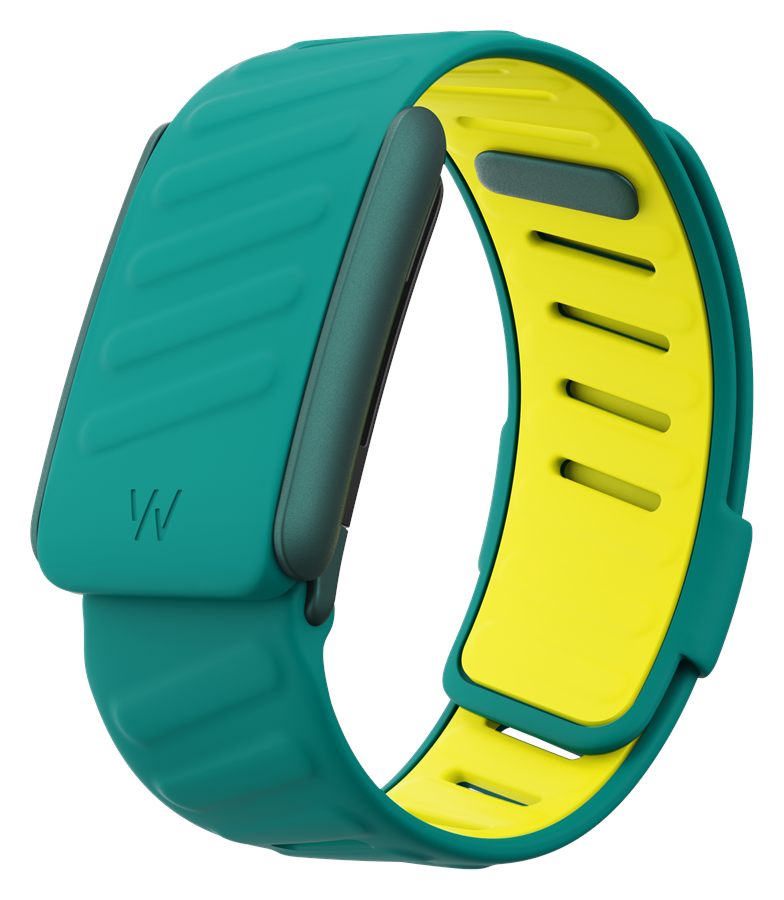
WHOOP and Oura both track sleep, recovery and daily activity without a screen, and both charge a membership. The differences that matter to a runner are how you wear them, what they do during a run, and what they cost over a few years. WHOOP is a band built around training strain; Oura is a ring built around sleep and readiness, and it has recently added training-load features of its own.
| WHOOP | Oura | |
|---|---|---|
| Form | Band on the wrist or upper arm | Ring |
| US price (October 2026) | $199, $239 or $359 a year, band included | Ring 5 from $399, Ring 4 from $349, plus $5.99 a month or $69.99 a year |
| Without a membership | Not sold without one; an unpaid account can't upload new data from the band | Only the three daily scores |
| Battery | 14+ days | 6 to 9 days (Ring 5), 5 to 8 days (Ring 4) |
| Water resistance | 10 m | 100 m |
| Live heart rate on a run | In the app, and can broadcast to a watch | Not from the ring; from a paired Bluetooth heart-rate monitor in Live Activity Tracking |
| Daily scores | Recovery, Strain, Sleep | Readiness, Sleep, Activity |
| Training load | Strain, 0 to 21 each day | Cardio Effort, a weekly load, rolling out from October 2026 |
| GPS | From your phone | From your phone |
What each costs
As of October 2026, WHOOP's US memberships are billed annually with the band included: One at $199 a year, Peak at $239 and Life at $359. Oura sells the ring up front: the Oura Ring 5, launched in May 2026, costs $399 in silver or black and $499 in premium finishes, and the Ring 4 costs from $349, with some finishes on sale. An Oura membership costs $5.99 a month or $69.99 a year after the included first month. Without it, Oura's app shows only the three daily scores.
| Setup | First year | Three years |
|---|---|---|
| WHOOP One | $199 | $597 |
| WHOOP Peak | $239 | $717 |
| WHOOP Life | $359 | $1,077 |
| Oura Ring 4 ($349) with annual membership | $418.99 | $558.97 |
| Oura Ring 5 ($399) with annual membership | $468.99 | $608.97 |
The Oura figures assume an annual membership from day one and ignore the free first month; the WHOOP figures assume renewal at today's prices. Over three years, the base options cost about the same, but renewals cost $199 a year for WHOOP One against $69.99 for Oura, so by year four either Oura ring costs less in total. Both companies allow returns within 30 days. WHOOP devices bought directly carry a warranty for as long as your membership is active, while Oura's US warranty runs for one year.
During a run
Neither device shows anything on your body during a run, and both rely on your phone for GPS. WHOOP records heart rate from the band throughout a workout you start in the app, scores it with Strain, and can broadcast your heart rate live to a Garmin watch or other device over Bluetooth. It can't use a chest strap for its own numbers, and on the wrist, independent tests found its heart rate less reliable in intervals and other fast efforts.
Oura works differently. The ring automatically detects more than 40 kinds of activity, including runs of 10 minutes or more, and shows heart rate and zones in a summary afterward, but Oura says the ring "does not stream live heart rate to your phone's screen during an activity." Its Live Activity Tracking, added in June 2026, can show live heart rate from a paired Bluetooth heart-rate monitor, such as a chest strap or arm band, with pace and distance from your phone. Oura says the Ring 5 improved workout heart-rate accuracy by 19% for activities such as running compared with the Ring 4, but gives no comparison with a reference device.
For runners who already use a GPS watch, both fit in alongside it: WHOOP imports runs from Strava, Apple Health and Health Connect, and Oura imports watch workouts through Apple Health, Health Connect or Strava. Neither lists a direct Garmin Connect link. WHOOP's scores come from its own sensor, so wear the band on watch-recorded runs too.
Recovery vs Readiness
WHOOP's Recovery is a daily score from 0 to 100% built from overnight HRV, resting heart rate, sleep and respiratory rate. It is calculated each morning and sets that day's Strain target. Oura's Readiness score uses nine contributors: resting heart rate, HRV balance, body temperature, recovery index, sleep, sleep balance, sleep regularity, the previous day's activity and activity balance. Oura says body temperature can only lower your Readiness, never raise it, and its daily activity goal rises when Readiness is above 85 and falls when it is below 70. WHOOP calibrates within a few days; Oura says it can take up to two weeks to learn your averages.
The practical difference is emphasis. WHOOP ties recovery directly to how hard to train that day. Oura folds activity and temperature into a broader readiness picture. Our guide to recovery metrics compares both with Garmin, Apple and others.
Sleep tracking accuracy
Both track sleep stages, and neither matches a sleep lab. In a 2022 study at a lab that receives WHOOP funding, using older models, Oura and WHOOP were similar: they agreed with the lab's scoring of wake, light, deep and REM sleep 61% and 60% of the time. A 2024 study of the third-generation Oura ring at home, by researchers who reported financial support from Oura, found its total sleep time wasn't significantly different from a sleep study. A 2025 study found the WHOOP 4.0 overestimated deep sleep by about half an hour, and a 2026 study in older adults found an Oura ring underestimated total sleep by about 75 minutes while overestimating deep sleep. Treat stage minutes from either as rough.
HRV and resting heart-rate accuracy
Overnight HRV and resting heart rate are the core of both scores, and both are reasonably accurate. The most independent study, funded by the US Air Force with no declared conflicts, compared devices over 536 nights against a chest-strap reference: the Oura Ring 4 agreed slightly more closely than the WHOOP 4.0 for both HRV and resting heart rate. A 2022 study of older models, at a lab that receives WHOOP funding, found the reverse for HRV, but there the researchers calculated WHOOP's HRV from raw beat data WHOOP supplied, while Oura's came from its app. Another study found an Oura ring tracked ECG-measured HRV closely but read about 16 ms low on average. Both are good enough to follow your own trend; our guide to HRV for runners explains how.
Other features
- WHOOP: every tier includes VO2 max, heart-rate zones, Strength Trainer and hormonal insights. Peak adds a Health Monitor, a real-time Stress Monitor and Healthspan, which estimates a WHOOP Age. Life adds the WHOOP MG with an on-demand ECG and Blood Pressure Insights.
- Oura: with a membership, you get Cardio Capacity (a VO2 max estimate from a six-minute walk test), the new weekly Cardio Effort training load, daytime stress and resilience, Symptom Radar for early signs of strain, and Cycle Insights, with Readiness adjusting for the menstrual cycle.
Comfort and wear
WHOOP can move from the wrist to the upper arm with its Bicep Band, which helps with workout heart rate, and the Peak and Life tiers include a battery pack that charges the band while you wear it. Oura is the smaller device: the Ring 5 weighs from 2 g and comes in sizes 6 to 13, the Ring 4 in sizes 4 to 15, and Oura sends a free sizing kit. The Ring 5 fits differently from the Ring 4, so size it again if you're upgrading. The ring is rated to 100 m of water.
Which should you choose?
Choose WHOOP if:
- You want training strain and recovery tied together, with a daily Strain target.
- You want live heart rate on runs from the device itself, or to broadcast it to your watch.
- You'd rather have a band, or want to wear it on your upper arm for workouts.
Choose Oura if:
- Sleep and overall readiness matter more to you than workout strain.
- You want the smallest, most discreet device, a deeper water rating and lower yearly costs.
- You already track runs with a watch, or don't mind pairing a chest strap for live heart rate.
Choose neither if: you need pace and distance on your wrist during a run. A GPS watch does that, and Garmin's screen-free Cirqa band covers recovery tracking without a membership. Our list of WHOOP alternatives covers more options.
Bottom line
For a runner, WHOOP is the more training-focused choice, with workout heart rate and a daily strain target built in. Oura is the more discreet sleep and readiness tracker, now with its own weekly training load. Over three years their base options cost about the same, with Oura cheaper after that, and their core HRV and resting heart-rate tracking are both good enough to follow your trend.
FAQ
Is WHOOP or Oura better for runners?
WHOOP is more training-focused: it records heart rate through your runs, scores them with Strain and sets a daily Strain target from your Recovery. Oura is stronger as a discreet sleep and readiness tracker, and it can show live heart rate on runs only from a paired Bluetooth heart-rate monitor.
Which costs less, WHOOP or Oura?
Over three years at October 2026 US prices, about the same for the base options: $597 for WHOOP One, against about $559 to $609 for an Oura Ring 4 or Ring 5 with an annual membership. WHOOP's higher tiers cost more, and because renewals cost $199 for WHOOP One against $69.99 for Oura, either Oura ring costs less in total by year four.
Can Oura track heart rate during a run?
The ring records heart rate during workouts and shows it in a summary afterward, but it doesn't stream live heart rate. Oura's Live Activity Tracking can show live heart rate from a paired Bluetooth heart-rate monitor, such as a chest strap, instead.
Is Oura or WHOOP more accurate for HRV?
Both are good enough to follow your own trend. In the most independent comparison, over 536 nights, the Oura Ring 4 agreed slightly more closely with a chest-strap reference than the WHOOP 4.0, while a study at a WHOOP-funded lab found the opposite.
Do WHOOP and Oura need a membership?
WHOOP does: it's sold only as a membership, and under WHOOP's terms an unpaid account can't upload new data from the band. Oura needs one for most features; without it, the app shows only the Readiness, Sleep and Activity scores. Oura's membership costs $5.99 a month or $69.99 a year in the US, and the first month is included.
Can I wear WHOOP or Oura with a Garmin watch?
Yes. Both import workouts from a watch through Apple Health, Health Connect or Strava, though neither lists a direct Garmin Connect link, and WHOOP can also broadcast heart rate to a Garmin during a run.