 By Raji Shah · Published 2026-10-15
WHOOP sells recovery tracking by the year. Google charges once for the Fitbit Air, and the core recovery metrics come free. It is a very good 24/7 recovery tracker and, with no screen, button, or built-in GPS, a limited training device.
Quick verdict: buy the Fitbit Air if you want sleep, HRV, Readiness, and Cardio Load in a 12-gram band for a one-time $99.99 (US list price, October 2026), with no membership required. If you train seriously, skip it as your main running device: you cannot start a run on the band, pace and route need your phone, and wrist heart rate struggles in intervals.
What the Fitbit Air is—and is not
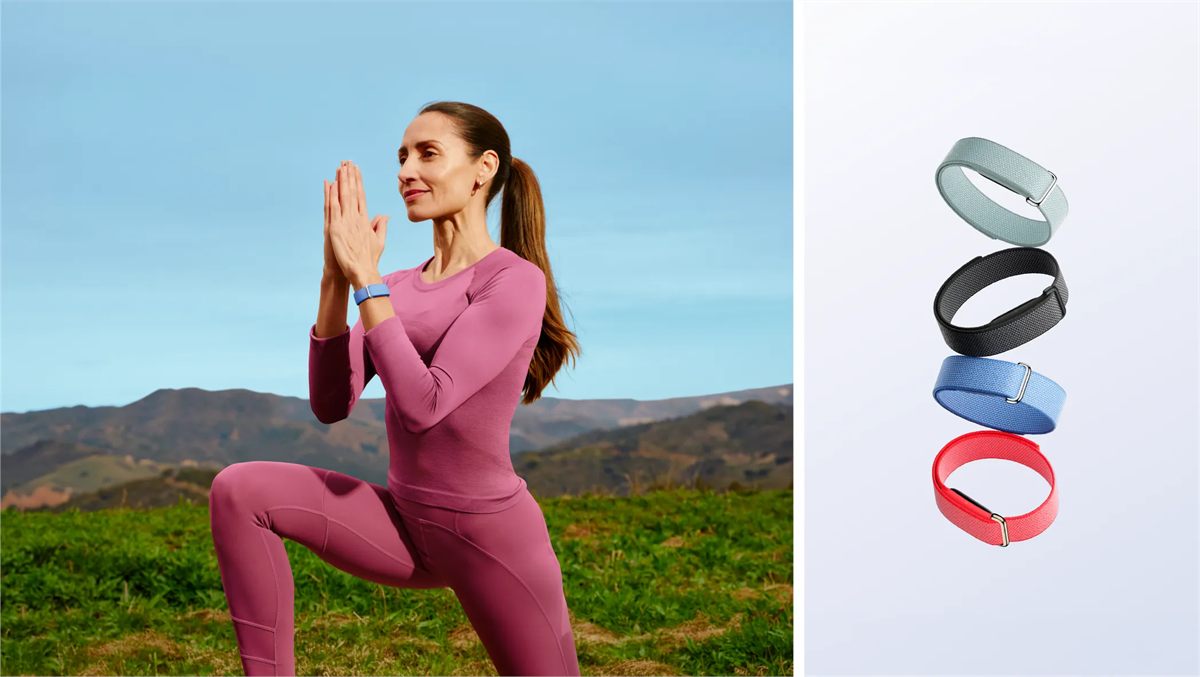
The Google Fitbit Air launched in May 2026. It is a sensor pod that clicks into a fabric loop, with a status LED you wake with a firm double-tap and a vibration motor for alarms. Everything else, including any live workout data, lives in the Google Health app on your phone, which replaced the Fitbit app this year.
| Spec | Fitbit Air | Why it matters for runners |
|---|---|---|
| Price | $99.99 / £84.99 as of October 2026; core features free | Google Health Premium is optional after a three-month trial. |
| Display and controls | None; double-tap wakes the LED and dismisses alarms | No run start or stop on the band, and no phone notifications. |
| GPS | None built in; phone GPS for runs started in the app | Carry your phone for pace, distance, and route. |
| Battery | Up to 7 days (Google's claim) | SpO2 tracking and heart-rate sharing shorten it; Google says five minutes of charging adds about a day. |
| Weight and size | 12 g with band; 34.9 x 17 x 8.3 mm pod | Easy to forget, including overnight. |
| Water rating | 5 ATM (water-resistant to 50 m) and IP68 | Fine for sweat, rain, and pool swims, which log duration only. Water-resistant isn't waterproof, as Google points out, so keep it out of hot water and away from high-pressure jets. |
| Sensors | Optical heart rate, SpO2, skin temperature, accelerometer, gyroscope | No ECG app, altimeter, or contactless payments. |
| Heart-rate sharing | Bluetooth, to Google's tested equipment and apps | Works with apps such as Zwift and Strava, but not Garmin devices. |
What the Fitbit Air gets right
It is tiny and easy to wear. At about 12 grams, the Air barely registered on our wrists, day or night, and swapping bands takes seconds. A recovery tracker only works if you sleep in it, and this one makes that effortless.
The core metrics are free. Readiness, Cardio Load, HRV, resting heart rate, sleep, blood oxygen, and irregular-rhythm alerts all work without a subscription. WHOOP needs a membership for all of it.
Battery and charging are painless. In our testing, the Air lasted about a week between charges, and Google says five minutes on the magnetic charger adds about a day.
Steady runs and walks are handled well. Automatic detection caught our steady runs and walks reliably, and average heart rate on easy and steady runs held up well in our testing. Because heart rate is recorded continuously, editing a session's start time later keeps its heart-rate data.
Where it frustrates runners
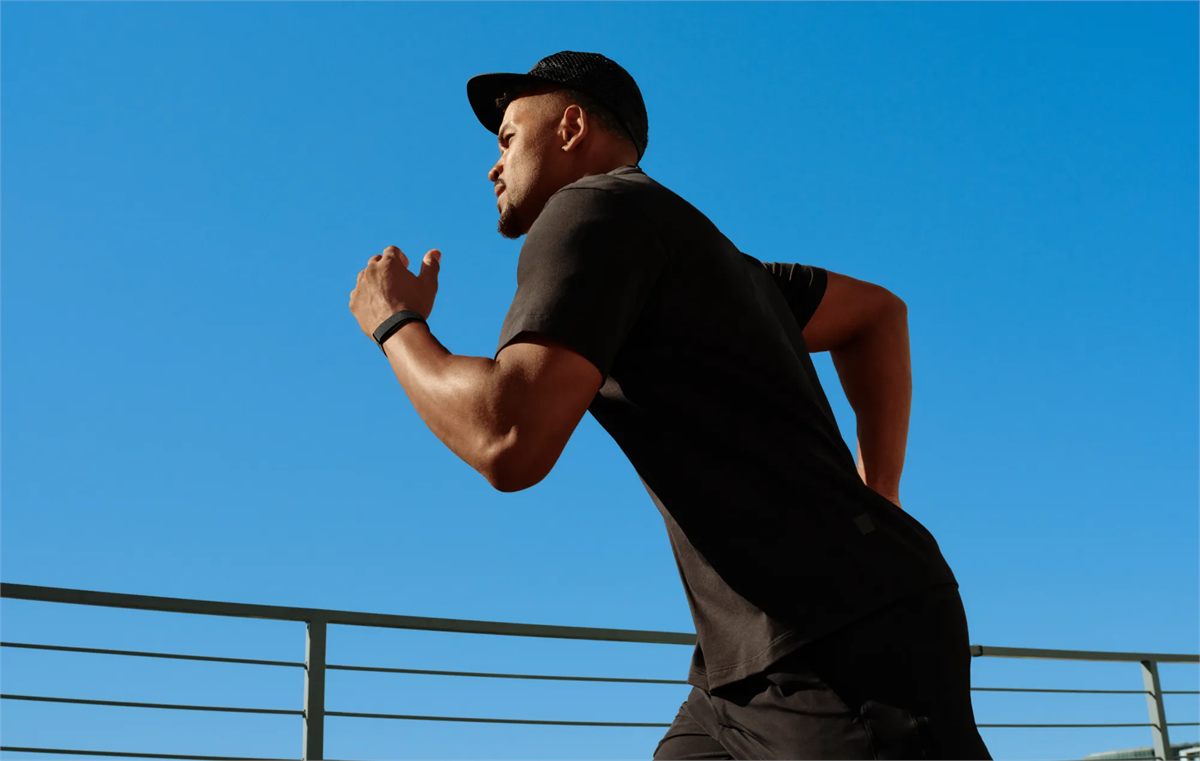
No button and no live numbers on the wrist. You cannot start, stop, or lap a run on the band, and it does not buzz for pace or heart-rate zones. Live heart rate, zones, distance, and a map appear only in the phone app, with optional audio cues.
Your phone is the GPS, but only if you plan ahead. Pace, distance, and route come from your phone only when you start the workout in the Google Health app with Connected GPS on, keep the phone within about 30 feet, and set location access to Always with Precise on. Auto-detected runs record no route and estimate distance from steps and stride length. VO2 max also comes only from outdoor phone-GPS runs.
Intervals expose the wrist sensor. Hard intervals and surges were where the wrist readings went sideways in our testing, and Google sells no upper-arm band as a workaround. Those errors also inflate Cardio Load, which skews your weekly target. For sessions where heart rate matters, use a chest strap with a watch or phone app; Google lists no way to pair one to the Air itself.
Short sessions slip through. Automatic detection needs a minimum duration, 10 to 20 minutes by default depending on the activity, and detected sessions can take a while to appear. On October 12, Google announced an upgraded detection model covering more than 100 activities, including strength training, due later in October. It still logs only workouts past a minimum duration, so start short runs in the app.
Heart-rate sharing has limits. The Air can send live heart rate to Google's tested partners, such as Zwift, Peloton, and the Strava app, but Google lists Garmin as not compatible, so it will not feed a Garmin watch or bike computer, and other watch brands are not on Google's tested list. Sharing also costs battery.
Accuracy: what to expect from a screen-free band
Like most wrist optical sensors, the Air is strongest at rest and at steady efforts; our optical heart-rate guide explains why fast changes are harder.
| Situation | What to expect | Better approach |
|---|---|---|
| Sleep timing and total sleep | Reliable on the wrist. | Wear it snug overnight. |
| Sleep stages | Varied against other trackers. | Watch weekly trends, not one night's split. |
| Overnight resting heart rate, HRV, breathing rate | Sound; HRV values differ between brands. | Compare against your own baseline. |
| Easy and steady runs | Average heart rate is dependable. | The wrist is fine. |
| Intervals, surges, treadmill | Readings can miss badly. | Use a chest strap with a watch or phone. |
| Run distance | Usually close on phone-GPS runs; phone-free distance is a rough estimate. | Do a GPS run of 10+ minutes early to calibrate stride. |
Readiness is a 0-100 score built from HRV, resting heart rate, and recent sleep against a baseline that takes about a week to set. Treat it like any recovery score: useful when it matches how you feel, and worth questioning when it does not. Our recovery metrics guide covers how to read these numbers.
Battery, charging, and comfort
Google rates the Air for up to 7 days, and about a week is what we saw. Charging uses a new magnetic USB-C cable that does not work with Pixel Watch or older Fitbit chargers, the pod has to come off your wrist, and Google says a full charge takes about 90 minutes.
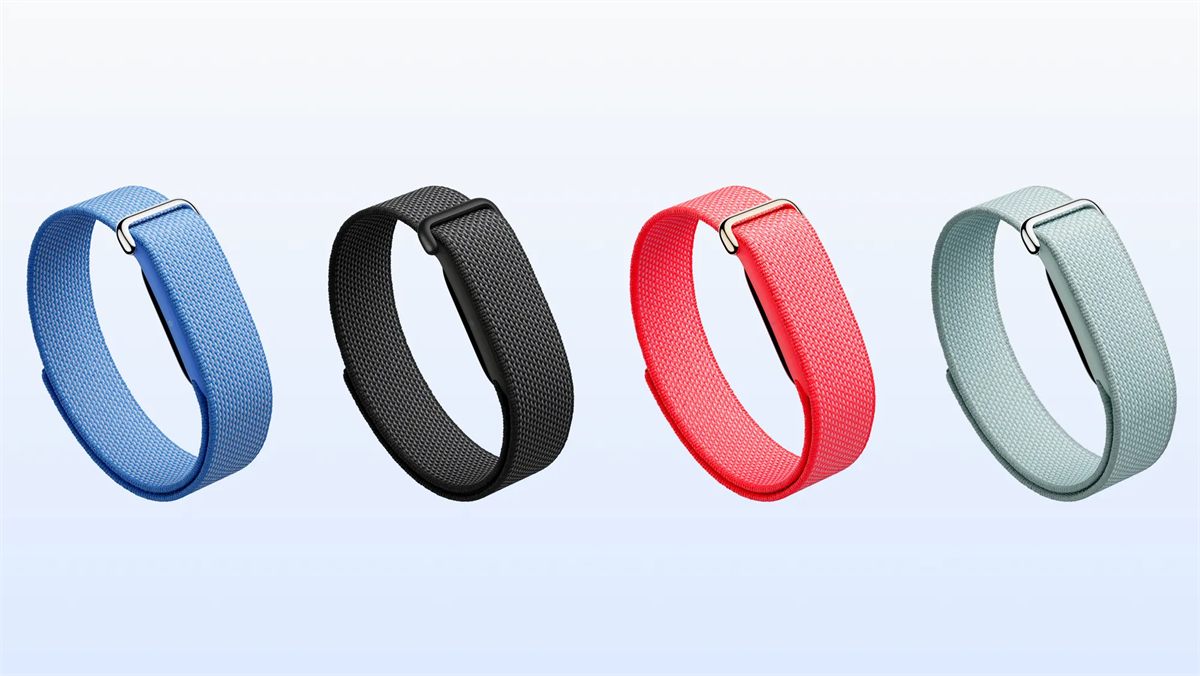
For sweaty summer runs and pool sessions, swap the woven loop for Google's silicone Active band ($34.99). The Air is water-resistant rather than waterproof, and Google advises against hot water, so skip the sauna.
Google Health, Premium, and the AI coach
The Air works with iPhone and Android through the Google Health app. Google Health Premium costs $9.99 a month in the US as of October 2026, after the three-month trial that comes with the Air.
- Free: sleep, HRV, resting heart rate, Readiness, Cardio Load and weekly target, Active Zone Minutes, VO2 max from GPS runs, irregular-rhythm and high/low heart-rate alerts, and data export.
- Premium: the Gemini-powered Google Health Coach with adaptive weekly plans and daily guidance, deeper sleep insights, and workout and mindfulness videos. Google says blood-pressure and insulin-resistance trends will reach Premium subscribers on the Air later in October.
The coach can turn your data into a weekly plan, and you can ask it for a schedule built around a race, but it can also get things wrong. Google documents no structured race plans or pace targets, and coach workouts do not sync to a watch yet. Use the trial to decide whether it is worth paying for, and set a reminder before it renews.
Using the Fitbit Air with a running watch
The setup that makes the most sense for serious runners is simple: the Air handles sleep and recovery, and a GPS watch handles workouts.
- Pixel Watch owners: Google Health supports one Pixel Watch and one Air on the same account, combines the data, and favors one source per metric when you wear both.
- Garmin and Apple Watch owners: there is no direct link, but workouts synced through Health Connect on Android or Apple Health on iPhone can count toward Cardio Load if they include heart rate, according to Google's Cardio Load help, though Garmin runs arrive as summaries without routes or splits.
- Strava users: reconnect the updated Strava integration so non-GPS, auto-detected runs sync too.
If you already live in Garmin Connect and want one app, the Garmin Cirqa is the better fit, with a start/stop button and heart-rate broadcast that works with Garmin devices.
Fitbit Air vs the alternatives
| Option | Upfront cost | Ongoing cost | Best for |
|---|---|---|---|
| Fitbit Air | $99.99 | None required; Premium $9.99 a month optional | Recovery tracking on a budget |
| WHOOP | $199-$359 for the first year, device included | Renews at $199, $239, or $359 a year by tier | Athletes who want a coaching-first app |
| Garmin Cirqa | $199.99 | None required; Connect+ optional | Garmin users who want a button and one app |
| Polar Loop | $199.99 | None required | Polar users who want a subscription-free band |
| Amazfit Helio Strap | $99.99 | None required | Budget buyers who want an upper-arm option |
| Fitbit Charge 6 | $159.95 | None required | A screen and built-in GPS from Google |
Prices are US list prices as of October 2026; verify them at checkout. Google's new Fitbit Edge ($179.99, in stores from October 27) adds a screen, built-in GPS, and a button, so runners who want a single Google device should look there once it ships and its GPS and heart-rate accuracy have been reviewed. Against WHOOP, the Air costs $99.99 once; keep Premium after the trial and year one comes to about $190, close to WHOOP One's $199, with later years at $119.88. Our Garmin Cirqa vs WHOOP breakdown covers WHOOP's tiers.
Who should buy the Fitbit Air
- Casual runners who carry a phone: app-started runs add pace, route, and VO2 max to the free recovery data.
- Runners with a GPS watch: recovery data without sleeping in the watch.
- Pixel Watch owners: a lighter band for nights that shares the same account.
- WHOOP-curious runners: try serious recovery tracking for a one-time $99.99.
Who should skip it
- You want one device for training. A GPS running watch or the Fitbit Edge gives you a screen and live pace.
- You run a lot of intervals without a chest strap. The wrist sensor is weakest exactly there.
- You want everything in Garmin Connect. The Garmin Cirqa fits that ecosystem.
- You swim seriously. Swims log duration only.
What to verify before buying
- Price: confirm the $99.99 list price (as of October 2026) on Google's Fitbit Air page; special editions with different bands cost $129.99.
- Fit: the included loop fits 130-210 mm wrists; the Active band comes in two sizes.
- Premium trial: it needs a payment method and renews at $9.99 a month unless you cancel.
- Return window: the Google Store accepts most returns within 15 days of delivery (other retailers vary), and Readiness needs about a week of nights to set a baseline, so start wearing it the day it arrives.
- Phone: you need Android 11 or iOS 16.4 or later and a Google Account.
Verdict
The Fitbit Air is a strong value pick for recovery tracking: it is tiny, comfortable, lasts about a week, and gives away the metrics WHOOP charges for. It is not a running watch, and its wrist heart rate is unreliable in intervals. Let a GPS watch or your phone handle the running, and the Air covers sleep, recovery, and the rest of the day.
FAQ
Does the Fitbit Air have GPS?
No. It uses your phone's GPS, but only for runs you start in the Google Health app with Connected GPS on. Auto-detected runs record no route and estimate distance from your steps.
Does the Fitbit Air need a subscription?
No. Sleep, HRV, resting heart rate, Readiness, Cardio Load, and irregular-rhythm alerts are free. Google Health Premium is optional: it adds the AI coach, adaptive plans, and extra insights for $9.99 a month in the US after a three-month trial.
How long does the Fitbit Air battery last?
Google rates it for up to 7 days, and in our testing it lasted about a week between charges. Google says a full charge takes about 90 minutes and five minutes adds about a day.
Is the Fitbit Air accurate for running?
Average heart rate on steady runs held up well in our testing. Intervals and surges can throw the wrist sensor off, and distance is far more reliable on runs recorded with your phone's GPS than on phone-free runs.
Can you start a run on the Fitbit Air?
No. There is no button. Start the run in the Google Health app with Connected GPS on, or let automatic detection log it once you pass the minimum duration, which is 10 to 20 minutes by default for most activities.